What’s the buzz?
Are regenerative farming practices better for the ecosystem…and human health?
What does the science say?
Grab your boots and gardening gloves because we are about to dig up the dirt on regenerative agriculture.
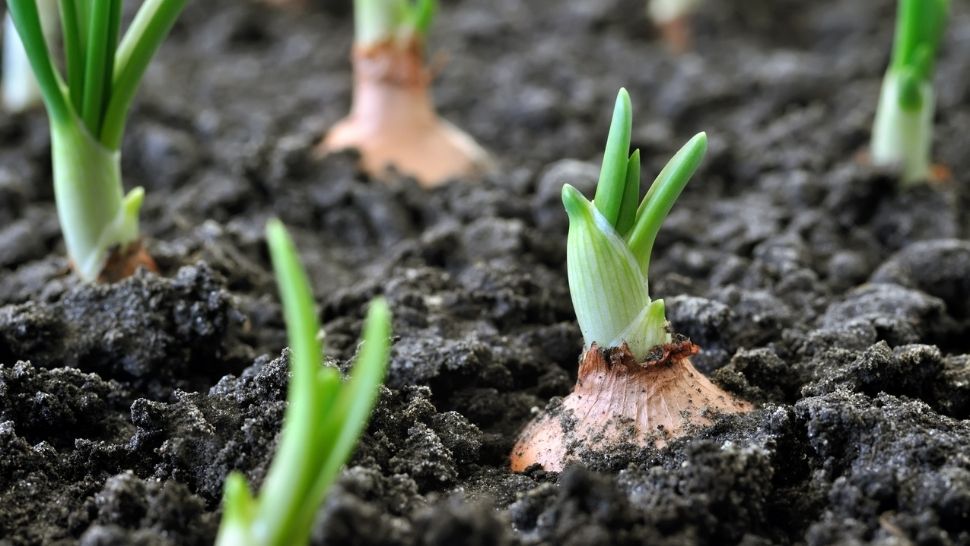
Regenerative agriculture is an approach to farming that focuses on rebuilding the ecosystem by enhancing soil biodiversity and minimizing carbon pollution. This is done through implementing “regenerative” farming practices such as no tilling to reduce soil loss, rotating crops to reduce soil nutrient depletion, and planting cover crops to increase soil nutrients – all while often reducing or in some cases eliminating synthetic fertilizers, pesticides, and herbicides. Some regenerative farms also integrate advanced practices such as agroforestry and grazing animals to introduce natural fertilizers.
While multiple studies have found that regenerative farming practices can improve soil health, particularly by increasing soil carbon through sequestration, or “drawing down” carbon from the atmosphere – far fewer studies have looked at whether foods grown using these practices are better for human health. While current research shows a link between soil health and the uptake of vitamins, minerals, and phytochemicals for some plants, the lack of a standardized definition for “regenerative farming” makes it difficult to study consistently and limits the ability to conduct robust clinical research on human health.
What’s the takeaway?
Regenerative agriculture can have a positive impact on the environment by reducing soil disturbance and supporting processes that help store more carbon in the soil (and less in the atmosphere), while enhancing soil biodiversity. Preliminary findings indicate there may be nutritional benefits for some plants, but the research is still limited on its effect on human health. We can only hope that the researchers will not only continue to dig up healthy soil, but healthier foods as well.