These days most of us are trying to minimize the number of times we shop by making every shopping run a very targeted one. We want our fresh produce and pantry staples to last as long as possible, and we want creative new ways to use them. Don’t worry, we’ve got you.
Reducing food waste can be both practical and help add variety to your diet. You can transform your kitchen into a vibrant space that celebrates fresh fruits and vegetables while minimizing food waste — what more could you ask for? Let’s dive into some tips to help keep your fresh food happy for as long as possible.
Hardy greens need a little TLC. Kale, collard greens, chard, and Brussels sprouts prefer the crisper drawer. Store them loosely wrapped in a reusable produce bag or cloth to allow airflow while retaining moisture. If greens start to wilt, a quick soak in cold water can revive them before cooking.
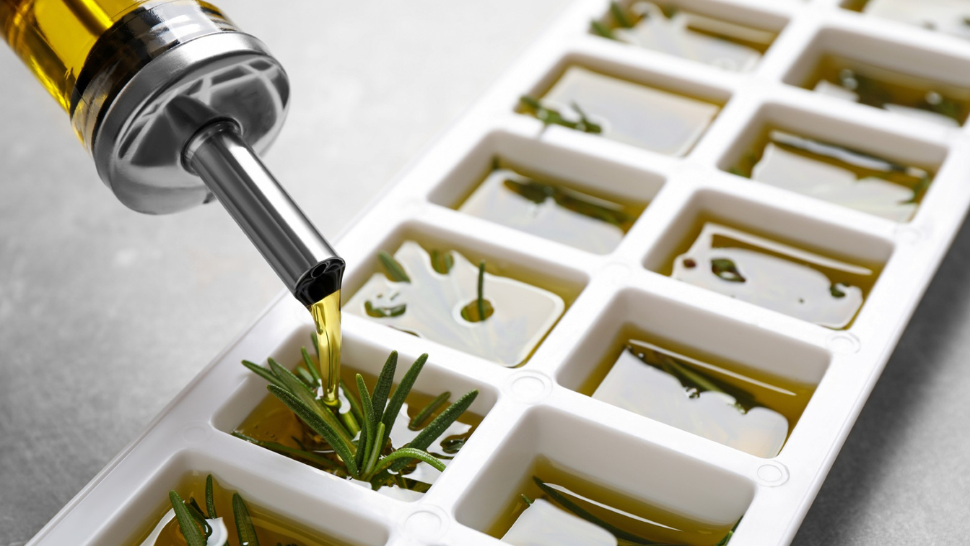
Woody herbs are quite resilient. Winter herbs like rosemary and thyme are low maintenance. Wrap them loosely in a damp cloth and store them in the refrigerator or stand them upright in a jar with a little water and loosely cover with a bag. If you have extra, freeze chopped herbs in oil or water using an ice cube tray for a later date.
Squash and sweet potatoes like it dry. Butternut, acorn, delicata squash, and sweet potatoes store best in a cool, dark, well-ventilated place — not the fridge. Once cut, wrap tightly and refrigerate, using within a few days. Cooked squash and sweet potatoes freeze well and are perfect for quick comfort meals.
Nuts and flour love to chill. Or really just hang out in any cold space. Shell-free almonds, walnuts, pecans, and pistachios will last in the refrigerator for up to two years, and in the freezer for two years or more. Did you buy an extra bag of flour for rainy day baking projects? Storing it in the refrigerator or freezer can double its longevity. Just be sure to keep it in an airtight container, so it doesn’t absorb odors. No one wants blueberry muffins that smell like garlic.
Whole grains prefer the dark. Quinoa, bulgur, millet, spelt, etc. don’t need to be refrigerated, but they like a dark, cool place. However, if you want to store them for longer, they can be frozen.
Let cheese breathe. It’s a living food, after all! Believe it or not, that tight plastic wrapping from the supermarket can actually encourage the growth of bacteria and mold. (Yikes!) So, instead of stifling your cheese, wrap it loosely in waxed paper and let its personality keep developing.
Apples grow up fast. Leave an apple on the counter and it will ripen 6-10 times faster than it will in the refrigerator. As they ripen, apples emit ethylene gas, which causes changes in texture and color — and softening. That’s why one over-ripe apple can cause a whole batch to turn quickly. Store them, unwashed, in a breathable bag in the low-humidity drawer of the refrigerator, and they’ll last up to six weeks. Pro tip: Have too many green bananas? Put them in a paper bag with an apple and watch ethylene work its magic. Keep in mind that not all fruits ripen when exposed to ethylene. Sorry, blueberries.
By implementing these simple, yet effective tips for keeping your produce happy, you not only enhance the longevity of your food, but also cultivate a more sustainable kitchen environment. Each thoughtful approach, from storing fruits and vegetables to nurturing herbs, helps reduce food waste while adding beauty to your home.