What’s the Buzz?
Postbiotics, the newest “-biotic” aimed at gut health.
What does the science say?
Most of us have heard of pre- and probiotics, but there’s a new kid on the block known as postbiotics. The term “–biotics” collectively refers to the different ways our body alters our natural gut microbiota to house the healthy bacteria (probiotics) that are needed for optimal metabolic health, immune function, and to prevent disease. Probiotics feed off dietary fibers from plants (prebiotics) and produce beneficial postbiotics during digestion.
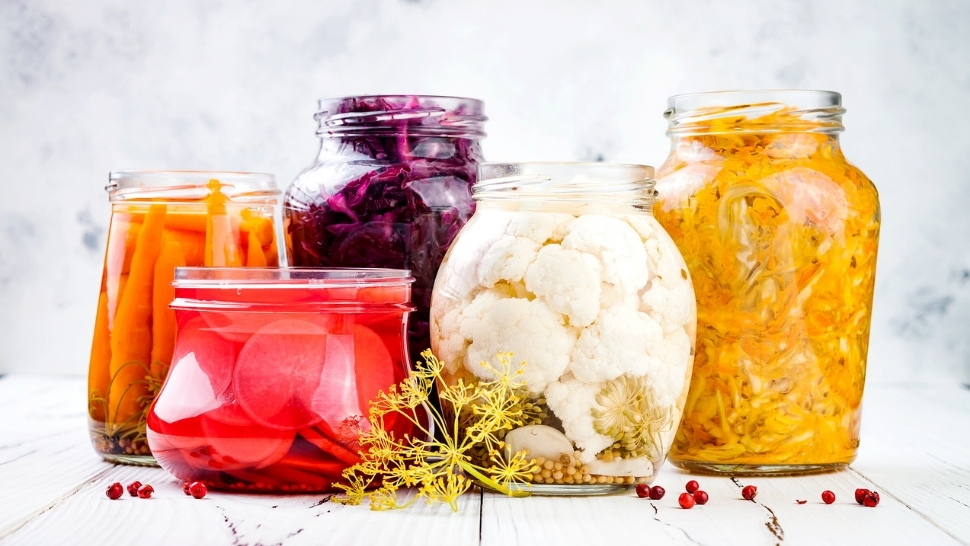
Postbiotics are functional compounds that indirectly help our body and are produced during the break down of other -biotics. They contain nutrients that help slow down harmful bacterial growth and help the good bacteria flourish. Fermented foods such as kefir, yogurt, sauerkraut, and kimchi are all foods that promote healthy gut bacteria and can increase the amount of postbiotics in your system. Postbiotics may also have a direct effect on our gut microbiota. While studies in humans are still limited, they may inhibit certain pathogens, modify the body’s immune response, and exhibit anti-inflammatory, antioxidant, and cancer-inhibiting properties.
Postbiotic research is becoming increasingly fascinating, particularly when it comes to food. Unlike probiotics, postbiotics are not living organisms, eliminating the challenge of keeping them stable and alive. This opens the door to innovative food applications. Their potential antimicrobial properties have sparked innovation, from research into ‘antimicrobial active packaging’ that helps prevent food spoilage during transport and storage, to exploring the postbiotics as a potential alternative to food preservatives. Although the role of postbiotics in bio preservation and food safety is still in its early stages, it is paving the way for exciting advancements in food science.
What’s the takeaway?
The scientific community knows our gut microbiota plays a vital role in overall health and disease prevention, and postbiotics can help shape the makeup of our microbiota. There’s a lot of promise around them for advancements in the safety and integrity of products manufactured for our food system. So, don’t be surprised if you see marketing claims for postbiotic products in an aisle near you. But remember you can always get postbiotics by consuming tasty, fermented foods and beverages such as kombucha, miso, sauerkraut, pickles, or cultured dairy products!